The Fenland Farmer’s Dialogue Workstream, led by Nick Allpress, aims to act as both a facilitator and a forum for learning and collaboration between Fenland Farmers and provide advice feeding into the Lowland Agricultural Peat Task Force (LAPTF).
Government is determined to see peatlands in the uplands and lowlands rewetted where possible, but has stated via the LAPTF that any rewetting in the lowlands should not compromise agricultural production and profitability. Balancing these two objectives is not easy, and, in order to maintain business profitability, compensation will be required where land use changes reduce production. There is no guarantee from government that funding will be forthcoming.
It is therefore vital that farmers take responsibility for gathering and presenting the facts on what will and will not work. This requires more basic research as outlined above on mapping soils and measuring emissions and assessing different mitigation options and alternative production systems and nature based options.
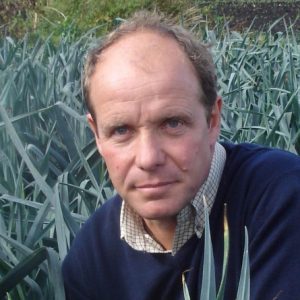
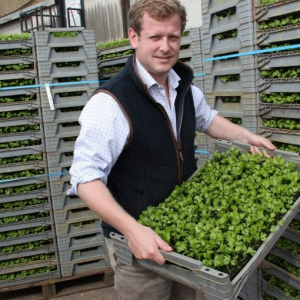
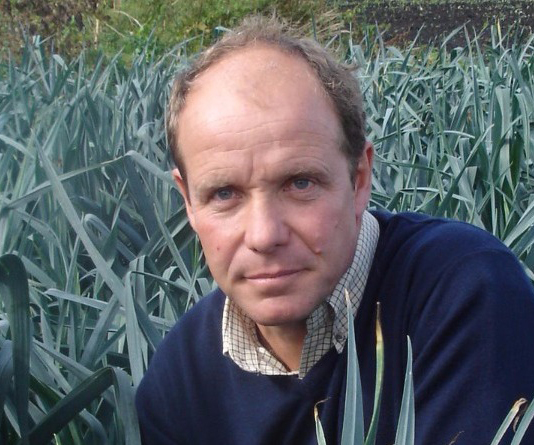
Nick manages the Allpress family business he joined in 1982.
With the farm now in its 4th generation, Nick is proud to uphold the family tradition.
Equally at home in the field or the Boardroom, Nick’s knowledge of the leek industry is second to none.
Nick’s innovative nature has seen the business make great strides in the growing, storage and packing operations which helps maintain the Company’s market leading position.